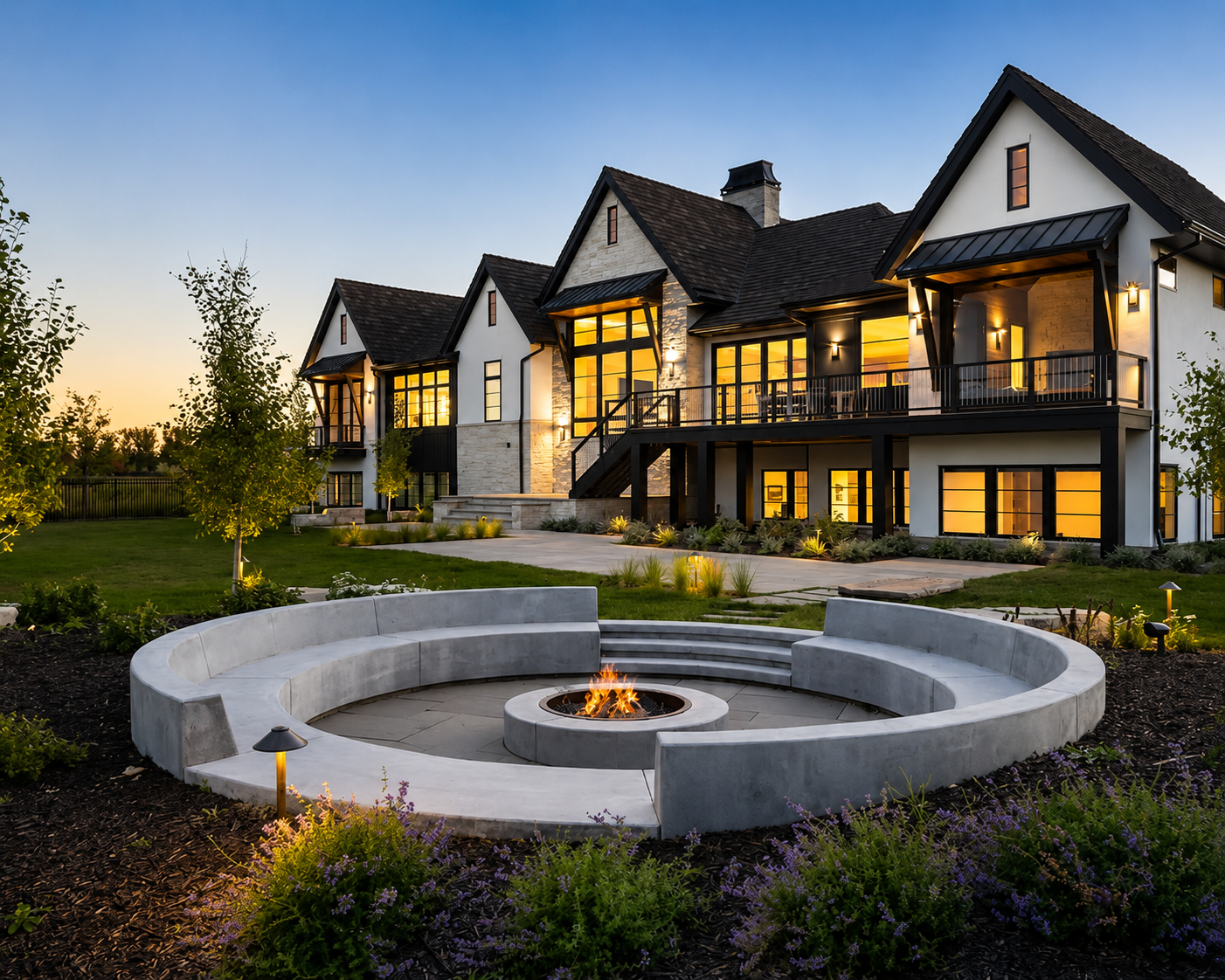
Frost depth stands out as one of the top masonry contractor questions to ask: confirm that footings meet Minnesota's frost depth requirements. Rodak Construction, led by Manuel Lopes with 20+ years experience, also recommends asking about air-entrained concrete use, insurance, owner-supervised pours, written estimates, freeze-thaw resistance methods, and service area coverage across Champlin and the Twin Cities Metro.
Minnesota homeowners researching how to choose a concrete contractor twin cities residents trust should confirm licensing, insurance, and 42-inch frost depth engineering knowledge before hiring a mason. Written estimates must detail material costs, labor, and payment schedules for patios, driveways, or block walls. Among the essential questions to ask a concrete contractor before signing. Rodak Construction, owner-supervised and based in Champlin, MN, uses air-entrained concrete built for Twin Cities freeze-thaw cycles.
Are they licensed and insured for Minnesota?
Asking about licensing and insurance is the first step to protect a homeowner from liability before any concrete or masonry work begins. A contractor who cannot produce current Minnesota licenses. Insurance certificates exposes the property owner to financial risk if an accident or code violation occurs. This question immediately separates contractors who work within the system from those who avoid it.
What specific insurance coverage should a Minnesota homeowner request?
General liability insurance and workers' compensation are essential protections for any residential project. General liability covers damage to the property or injury to a third party during construction. Workers' compensation protects the homeowner from being sued if a worker is injured on the job site. A contractor who carries both policies demonstrates financial responsibility and professional standards.
How does permit compliance affect a Minnesota project?
A contractor who pulls permits shows they work within the system and follow local building codes. In Minnesota, structural work like retaining walls, foundations, and garage slabs typically requires permits from the city or county. A contractor who avoids permits may cut corners on frost-depth engineering or reinforcement, leading to settlement cracks or wall failure within a few freeze-thaw cycles. Rodak Construction operates across the Twin Cities Metro area and follows local permit requirements for every residential concrete. Hardscape project, a key consideration when hiring hardscape contractor minnesota residents can trust.
How do they handle Minnesota's freeze-thaw cycles?
Minnesota's climate cycles through more freeze-thaw events than most regions, making concrete and masonry vulnerable to cracking and shifting. A contractor who understands these conditions uses specific engineering and materials to prevent structural failure. Without this expertise, a poorly built project settles, cracks, or fails to hold grade. Problems that surface during a home sale inspection as unpermitted or defective work.
What is air-entrained concrete and why does it matter?
Air-entrained concrete contains microscopic air bubbles that give water room to expand when it freezes. This mix design prevents the internal pressure that causes surface spalling and cracking. Contractors serving the Twin Cities should specify air-entrained concrete for every exterior pour.
How deep do footings need to be in Minnesota?
Minnesota code requires footings at or below the frost line, typically 42 inches or deeper. Footings shallower than this depth heave upward during freeze cycles, cracking slabs and misaligning walls. A qualified contractor verifies frost depth engineering before any foundation or wall work begins.
| Freeze-Thaw Risk | Poor Practice | Proper Minnesota Practice |
|---|---|---|
| Concrete mix | Standard mix | Air-entrained concrete |
| Footing depth | 24–36 inches | 42+ inches |
| Drainage | None | Sub-grade drainage installed |
| Result | Cracks, settling, failure | Stable, long-lasting structure |
Hiring a mason contractor Minnesota requires verifying that the contractor uses air-entrained concrete and excavates to proper frost depth. These two factors separate work that lasts from work that fails within two winters.
Key documents to request before signing a contract
- Current general liability insurance certificate naming the homeowner as additional insured
- Workers' compensation policy or exemption affidavit
- Minnesota contractor license number (if required by the local municipality)
- Written permit application status for the specific project address
Can they show local Minnesota project examples?
A reputable contractor provides a portfolio of recent Minnesota projects that match the homeowner's scope. This portfolio verifies quality, craftsmanship, and experience with local conditions. Asking for project examples separates contractors who deliver consistent results from those who rely on promises.
What should a Minnesota project portfolio include?
A strong portfolio shows patios, driveways, sidewalks, block walls, and stamped concrete completed across the Twin Cities metro. Rodak Construction, for example, specializes in these exact project types and serves homeowners in Minneapolis, Brooklyn Park, Maple Grove, Plymouth, Blaine, Coon Rapids, and Anoka. The portfolio should feature projects that demonstrate freeze-thaw resistance and proper frost-depth engineering. Two non-negotiable requirements for Minnesota concrete work.
How does a portfolio connect to the written estimate?
The written estimate should include material costs, labor, payment schedules, and project scope. When a contractor shows past Minnesota projects, homeowners can cross-reference those completed scopes against the estimate. This connection confirms the contractor understands local material sourcing, labor requirements, and the specific challenges of Minnesota soil and climate.
Who manages the project and handles cleanup?
Homeowners need to verify who manages the project daily and who handles cleanup. A contractor who shows local project examples should also name the on-site supervisor and describe the cleanup process. This transparency protects the homeowner from unexpected subcontractor changes or unfinished site conditions.
Conclusion
In closing, asking the right questions before hiring a mason protects your investment and ensures your project withstands Minnesota's demanding climate. A contractor with deep local experience—one who understands freeze-thaw cycles, proper frost depth engineering, and air-entrained concrete specifications—delivers work built to last. Rodak Construction brings over two decades of hands-on expertise across the Twin Cities Metro, combining owner-supervised craftsmanship with the technical knowledge your concrete and hardscape project demands. Choose a mason who knows Minnesota.