Patio planning success depends on decisions made before contractors provide estimates. Homeowners must determine intended use, mark the exact footprint, study drainage patterns, and confirm base depth suited to Twin Cities freeze-thaw cycles. Material selection, delivery access, and quantity lists come next. Rodak Construction recommends finalizing these details first, since clear answers produce accurate, comparable estimates.
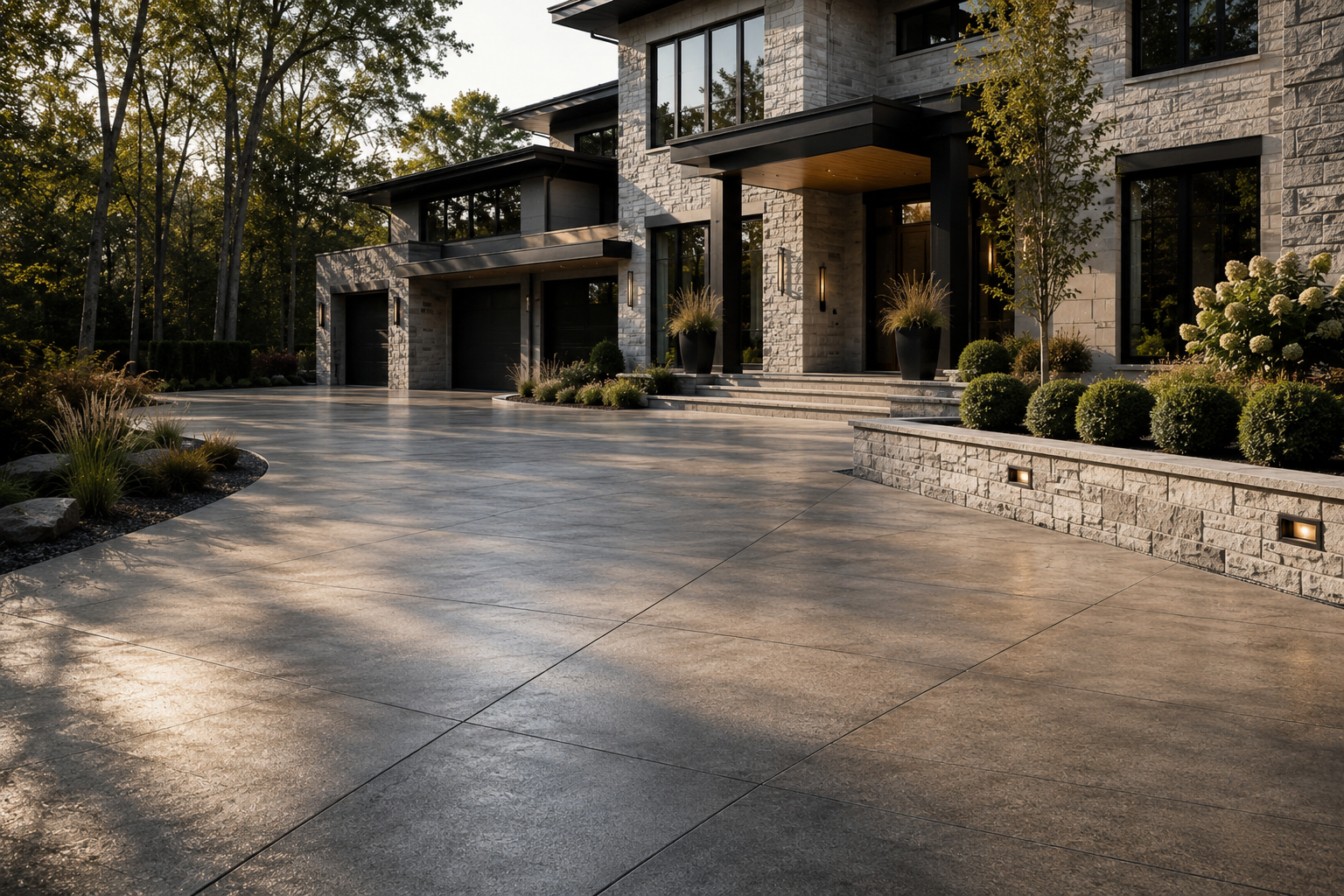
How will you use your patio?
The best patio layout is not necessarily the largest one. It is the one that comfortably supports the way clients expect to use the space. Starting with the most important question — what does this space need to do — prevents costly mistakes later.
A patio designed for quiet morning coffee requires different dimensions, materials, and shade placement than one built for hosting twenty guests around a fire pit.
What are the most common patio use cases?
Hosting large gatherings demands open floor space and durable surfaces that handle heavy foot traffic. Creating a quiet retreat calls for smaller footprints, privacy screening, and softer materials.
Building an outdoor dining area requires level surfaces near the kitchen door with enough room for a table and chairs. Adding a fire pit introduces safety setbacks, seating zones, and ventilation considerations that affect the entire layout.
Entertainment Zone
Open layout with a slip-resistant surface that handles heavy foot traffic and social flow.
Quiet Retreat
Compact footprint with textured finishes, privacy screening, and integrated seating.
Dining Area
Level grade with an easy-clean surface near the kitchen door that accommodates a table and chairs.
Fire Pit Zone
Safe clearance from structures with heat-resistant materials, seating zones, and ventilation.
How does intended use affect material selection?
Use case directly drives patio budget decisions and material choices. A high-traffic entertaining patio benefits from stamped concrete vs pavers MN comparisons — stamped concrete offers seamless surfaces for dining areas, while pavers allow easier repairs around fire features.
Rodak Construction specializes in both approaches across the Twin Cities Metro area, matching material performance to how clients actually live outdoors.
What should you size and check before estimates?
A patio project requires two physical checks before any contractor provides patio estimates. Homeowners must mark out the intended size on the ground and watch how water moves across the property. These steps prevent costly mid-project changes and reveal hidden issues that affect pricing.
How does water movement change the estimate?
Water dictates base depth and drainage solutions. A property where runoff pools near the house demands grading work and possibly a drainage system. Contractors factor these corrections into the bid. Skipping this check means the estimate misses a core cost driver.
What access issues affect pricing?
Patio budget decisions hinge partly on how materials and equipment reach the work area. A backyard accessible only through a narrow gate limits paver delivery and concrete truck access. Contractors may need to hand-carry materials or use smaller equipment, which increases labor time. Checking access before estimates prevents surprise surcharges.
4 Physical Checks to Complete:
- 1.Mark the patio footprint with stakes and string.
- 2.Observe water flow after a rain event.
- 3.Measure gate width and path clearance.
- 4.Confirm local permit rules with the contractor.
Which surface and budget decisions matter most?
Surface selection and budget planning happen together, not in sequence. A patio planning guide should start with how the space will be used, then match that use to a material. Rodak Construction specializes in stamped concrete, colored concrete, stone, and brick pavers.
Each surface carries different cost and performance trade-offs. Patio budget decisions must account for base preparation, material quantities, and surface finish options. Size, location, drainage, and access to the work area all affect how smoothly the project moves forward.
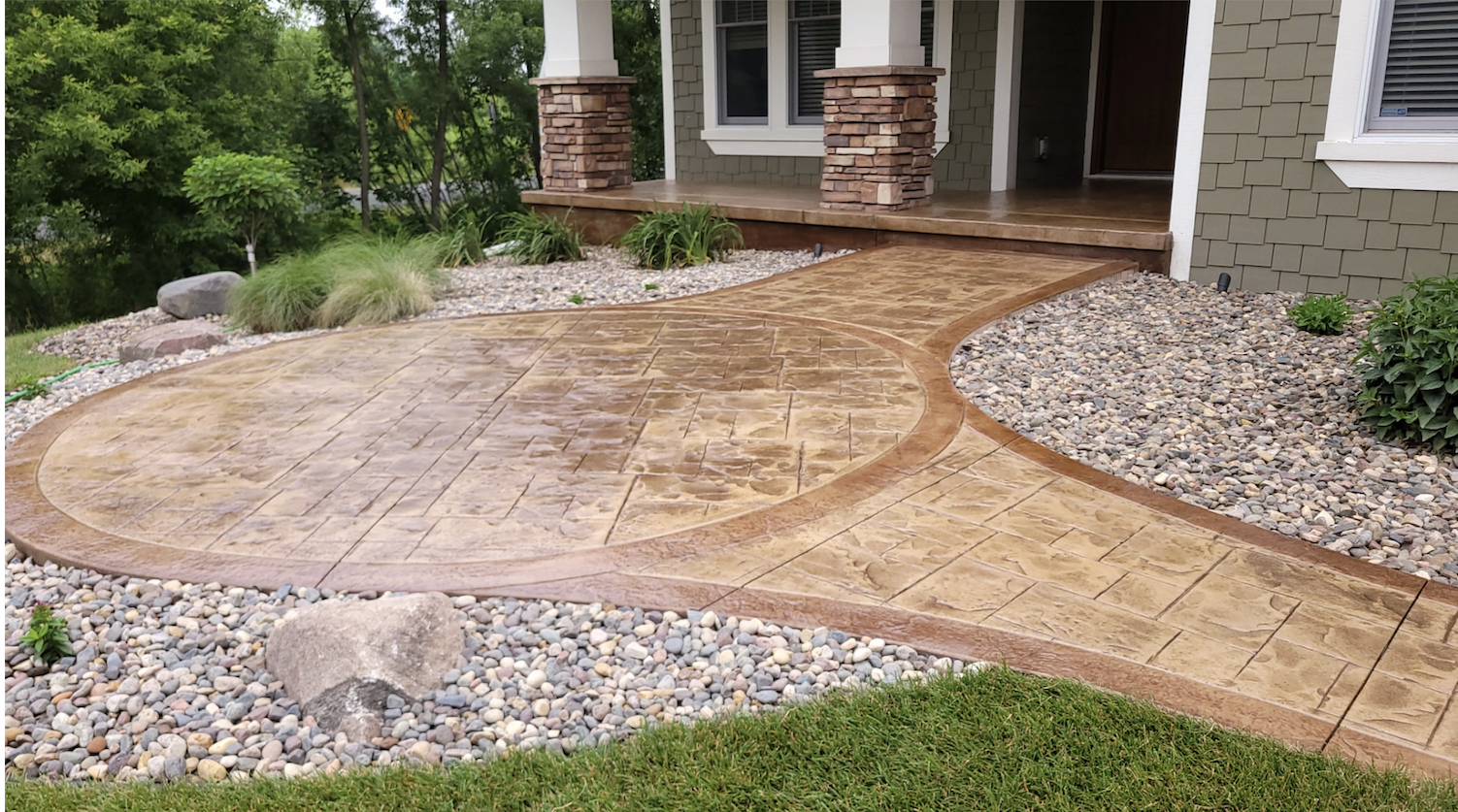
How does stamped concrete compare to pavers in Minnesota?
The stamped concrete vs pavers MN decision comes down to two priorities:
| Material | Key Strength | Care & Longevity |
|---|---|---|
| Stamped Concrete | Delivers a seamless, monolithic surface with unlimited pattern and color options. | Requires periodic sealing (every 1–2 years); seamless surface prevents weed growth. |
| Interlocking Pavers | Modular units allow easier individual repair if a single unit cracks or settles. | Joint sand stabilization and periodic polymeric sand top-offs. |
Stamped concrete delivers a seamless, monolithic surface with unlimited pattern and color options. Pavers allow easier individual repair if a single unit cracks or settles. Both materials perform exceptionally when installed with proper base preparation and frost-depth engineering.
What makes concrete patio planning different in the Twin Cities?
Concrete patio planning in the Twin Cities requires air-entrained concrete to survive repeated freeze-thaw cycles. Rodak Construction builds to 42-inch-plus frost depth specifications and uses owner-supervised pours with air-entrained concrete.
This engineering prevents the cracking and heaving that standard pours experience through Minnesota winters. Patio permit requirements in Minnesota vary by municipality, so contractors handle code compliance as part of the planning phase.
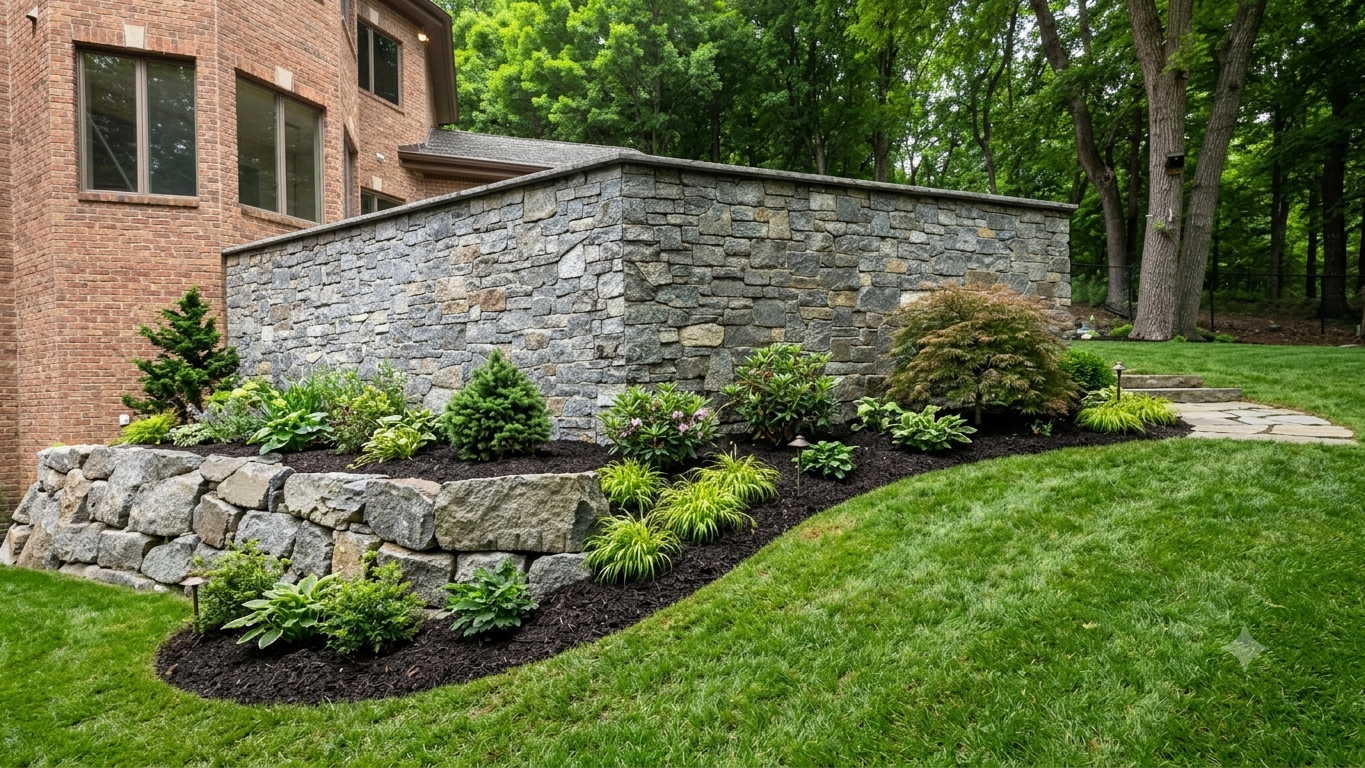
Patio estimates should always detail base excavation, compacted aggregate, reinforcement, and surface finish — skipping any of these layers guarantees premature failure.
Conclusion
In closing, taking time to plan your patio before requesting estimates sets you up for a smoother project and better results. When you've clarified your vision, assessed your space, and understood the regional demands of Twin Cities weather, you're ready to partner with a contractor who can deliver. The foundation of a successful outdoor living space starts with these decisions—and with experienced guidance through the freeze-thaw challenges unique to our climate.